
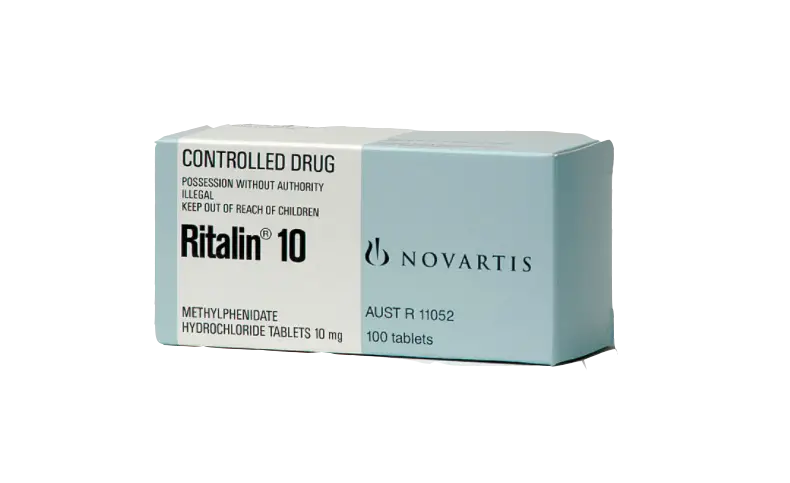
Ritalin 10mg Tablets
Price range: £130.00 through £1,200.00
Ritalin 10mg Tablets contain methylphenidate hydrochloride, a prescription medication used in the treatment of attention-deficit/hyperactivity disorder (ADHD) and certain sleep disorders under the supervision of a healthcare professional.
Ritalin (Methylphenidate): The Complete Guide to Focus, Dosage, and Safety
Ritalin 10mg Tablets
Ritalin, containing the active ingredient Methylphenidate, is one of the most widely recognized and effective medications for neurodevelopmental and sleep-wake disorders. As a potent stimulant, this treatment is designed to “level the playing field” for individuals whose brains process dopamine and norepinephrine differently, allowing for improved organizational skills and sustained mental effort.
What is this medication?
The drug is a mild central nervous system stimulant. Unlike sedatives that slow the brain down, it stimulates the parts of the brain responsible for “executive function”—the ability to plan, focus, and resist distractions.
Mechanism of Action: How It Works
Methylphenidate influences the way the brain communicates with itself:
-
Dopamine & Norepinephrine Reuptake Inhibition: It prevents these neurotransmitters from being reabsorbed back into the neurons too quickly.
-
Increased Synaptic Concentration: By keeping more dopamine available in the synapses between brain cells, it strengthens the signals related to reward and motivation.
-
Prefrontal Cortex Activation: It specifically targets the prefrontal cortex, the area of the brain that manages self-control and concentration.
Primary Medical Uses for Ritalin
The FDA has approved this therapy for the following conditions:
-
Attention Deficit Hyperactivity Disorder (ADHD): It is used as part of a total treatment program to increase the ability to pay attention, stay focused on an activity, and control behavior problems.
-
Narcolepsy: For individuals who suffer from excessive daytime sleepiness, it helps promote wakefulness and alertness, allowing for a safer daily routine.
Dosage and Administration
The immediate-release tablets are typically taken 2 to 3 times a day, preferably 30 to 45 minutes before meals.
Safety and Side Effects
As a Schedule II controlled substance, Ritalin has a high potential for misuse and may lead to physical and psychological dependence.
Common Side Effects:
-
Loss of Appetite: Many users experience decreased hunger.
-
Increased Heart Rate: It can cause a slight rise in pulse and blood pressure.
-
Nervousness or Anxiety: Especially during the initial adjustment period.
-
Insomnia: Difficulty sleeping if taken too late in the day
Critical Safety Warnings
-
Cardiovascular Risks: Stimulants can cause sudden death in patients with structural heart abnormalities.
-
Psychiatric Risks: This medication may worsen symptoms of psychosis or mania in patients with pre-existing conditions.
-
Growth Monitoring: In children, long-term use requires monitoring of height and weight.
Contraindications: Who Should Avoid This Treatment?
Consult your healthcare provider if you have:
-
Severe Anxiety or Agitation.
-
Glaucoma (Increased eye pressure).
-
Tics or Tourette’s Syndrome.
-
MAO Inhibitors: Do not use if you have taken an MAO inhibitor in the last 14 days.
Frequently Asked Questions (FAQs)
How long does Ritalin stay in your system? The immediate-release version has a short half-life of about 2 to 3 hours. The effects usually wear off within 4 to 6 hours, which is why multiple doses are often required.
Is this the same as Adderall? No. While both treat ADHD, Ritalin contains Methylphenidate, while Adderall contains Amphetamine salts. This formula generally reaches its peak more quickly.
Can it be used for weight loss? No. While appetite suppression is a side effect, the drug is not approved or recommended for weight loss. Using stimulants for weight management without medical supervision is dangerous.
Does it cause a “crash”? Some users experience a “rebound effect” or “crash” as the medication wears off, characterized by irritability or fatigue. This can often be managed by adjusting the timing with a doctor.
Can I drink coffee while taking this? Caffeine is also a stimulant. Combining the medication with high amounts of caffeine can lead to jitters and a racing heart. It is best to limit caffeine until you know how you react.
Conclusion
Ritalin (Methylphenidate) is a powerful tool for unlocking focus and managing the complexities of ADHD. When used correctly under medical guidance, it allows individuals to reach their full potential in academic, professional, and social environments.
| Quantity | 100 Tablets, 200 Tablets, 300 Tablets, 400 Tablets, 500 Tablets, 1000 Tablets |
|---|
Be the first to review “Ritalin 10mg Tablets”
Related products
Cough & Cold Medications
Pain Killers
Anxiety Medications
Breast Cancer Treatments
Anxiety Medications
Opioid
Analgesics
Reviews
There are no reviews yet.